
What Every New Field Service Business Should Know Before Their First Job
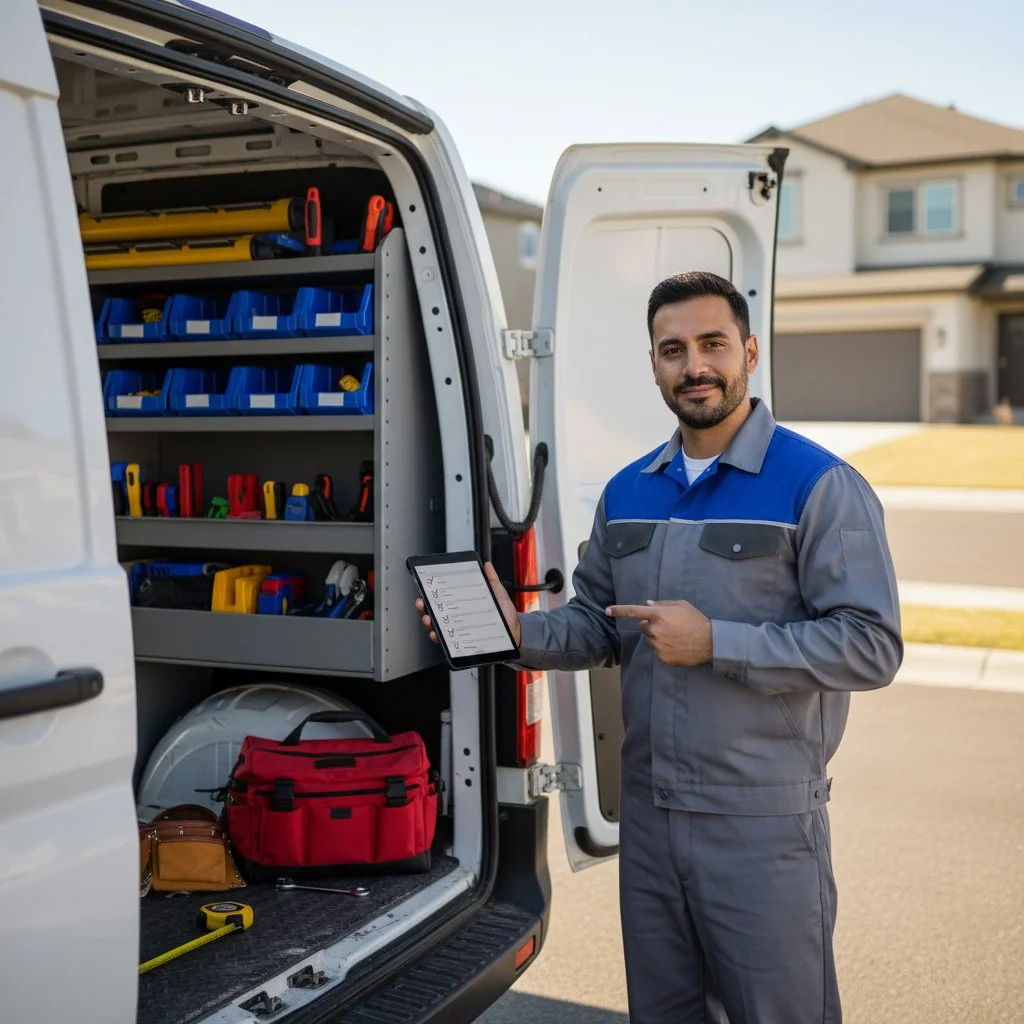
Starting a field service business is exciting, but your first job can also feel overwhelming. You have invested in tools, vehicles, and software, and now it is time to put everything into action. Preparation and organization are what separate smooth first jobs from stressful ones.
Here are key things every new field service business should know before stepping onto their first job site.
1. Make Sure Your Paperwork and Processes Are Ready
Before you start work, make sure your business is legally and operationally prepared. This means:
Registering your business and setting up proper insurance
Getting required licenses or permits for your trade
Creating clear contracts or service agreements
Setting up a system for invoices, estimates, and payments
With ServiceDash, you can create digital estimates and track invoices from one platform. This keeps everything organized and ensures you present a professional image from day one.
2. Know Your Costs and Pricing
One of the biggest mistakes new business owners make is underpricing their services. You might think lower prices will attract more clients, but without understanding your true costs, you could end up losing money.
Take time to calculate:
Labor and travel time
Materials and equipment costs
Business overhead such as fuel, insurance, and software
Once you know your break-even point, set your rates confidently. Clients respect businesses that communicate their value clearly and consistently.
3. Double-Check Your Schedule and Route
Time management is crucial for first impressions. Plan your day carefully so you do not show up late or rushed. Check job addresses, expected travel times, and client availability.
With ServiceDash, you can schedule jobs, assign them to team members, and route to each address directly from the app. A built-in directions button eliminates guesswork and helps you arrive on time without switching between apps.
4. Communicate Clearly with the Client
Good communication builds trust. Before your first job, confirm details with the client such as:
Service type and pricing
Date and time of arrival
Any special instructions or access details
Send a quick message when you are on your way. In ServiceDash, you can use prewritten message templates like Appointment Confirmation or On My Way that automatically include your client’s name and job details. These small touches make a big impact on professionalism.
5. Bring the Right Tools and Materials
Nothing slows down a first job like realizing you forgot a key tool or part. Create a checklist of essential items for your trade and review it before leaving.
Over time, you will refine your checklist based on the type of jobs you handle most often. You can even store custom checklists inside ServiceDash to make preparation faster and more consistent for every visit.
6. Document Everything
Start the habit of good recordkeeping from day one. Take photos before and after the job, add notes about what was completed, and record any issues that come up.
Keeping detailed job records protects you from misunderstandings and helps you improve over time. It also provides valuable references for future quotes or warranty work.
7. Focus on Professionalism
Your first job is your first impression. Dress neatly, communicate politely, and treat the client’s property with respect. A professional attitude often leads to repeat work and referrals.
Even small details, like branded invoices, punctuality, and organized communication, show clients that you take your business seriously.
Final Thoughts
Your first field service job sets the tone for your entire business. By preparing your paperwork, setting the right prices, organizing your schedule, and communicating clearly, you will start strong and build trust from the beginning.
With ServiceDash, you can manage scheduling, invoices, reminders, and client communication all in one place, helping you deliver a professional experience on every job.